
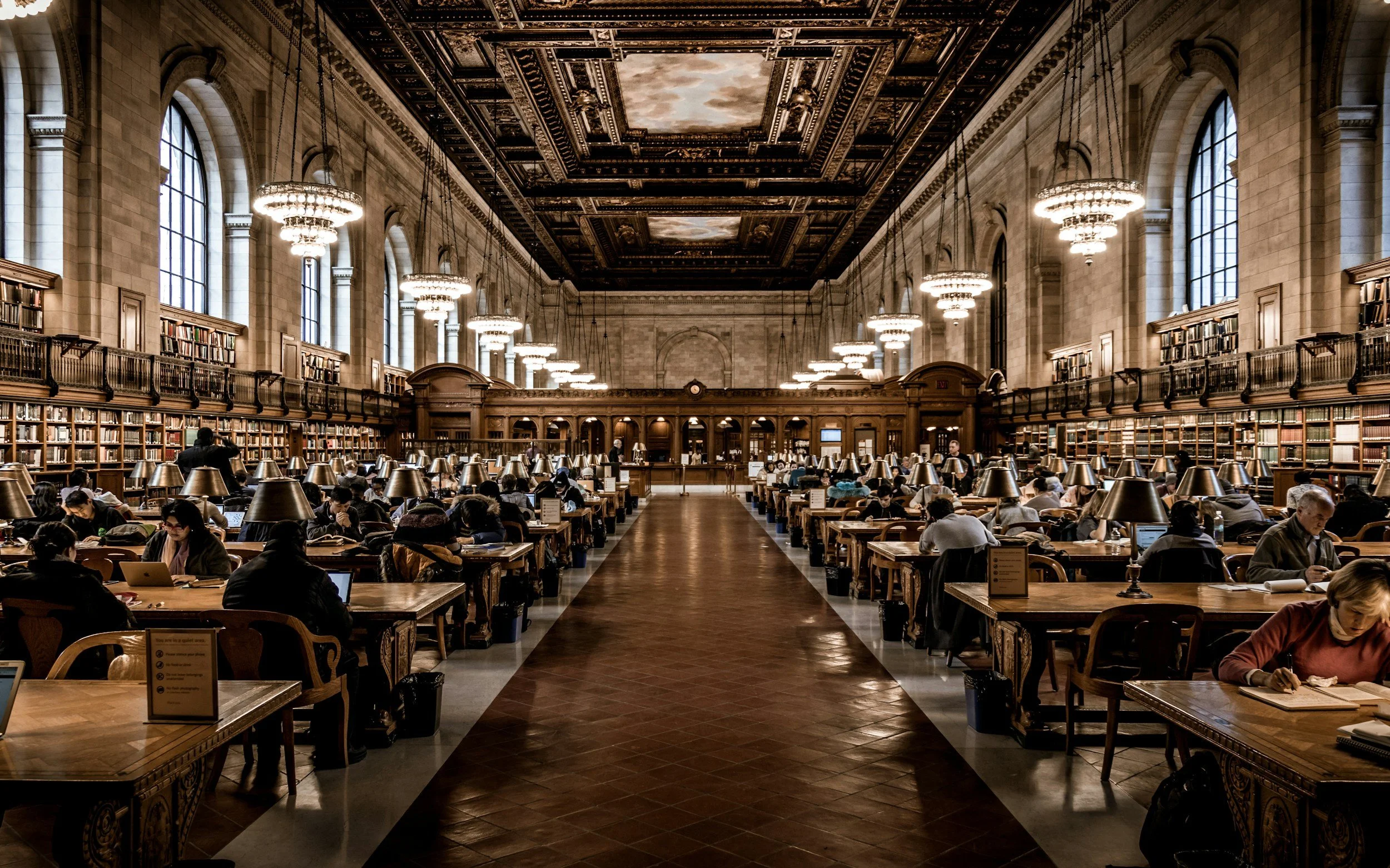
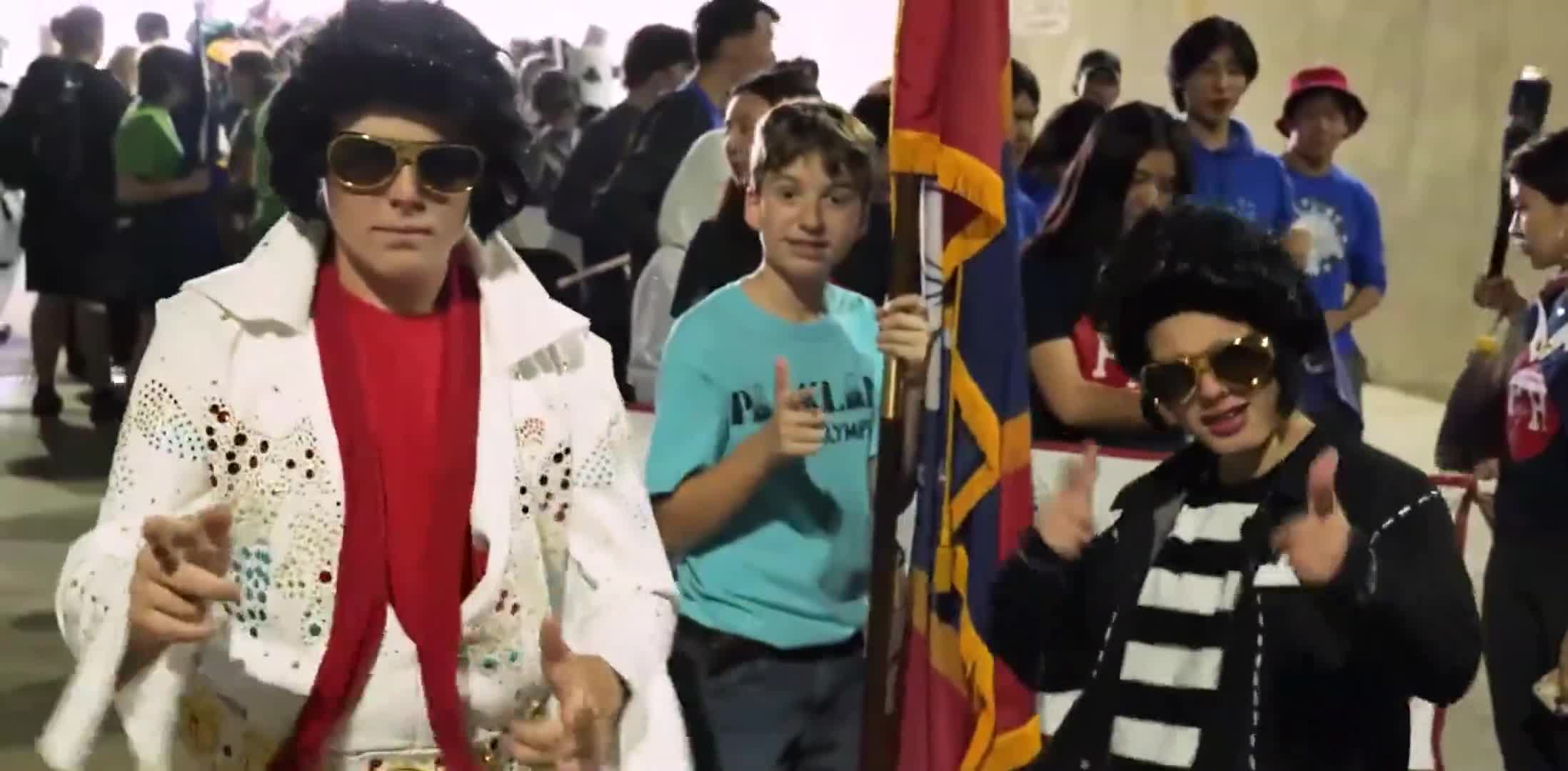
A nationwide competition where student teams engage in 23 events spanning biology, earth science, chemistry, physics, and engineering. Participants compete in a variety of formats, including written exams, laboratory experiments, and the testing of pre-built devices like bridges or helicopters.
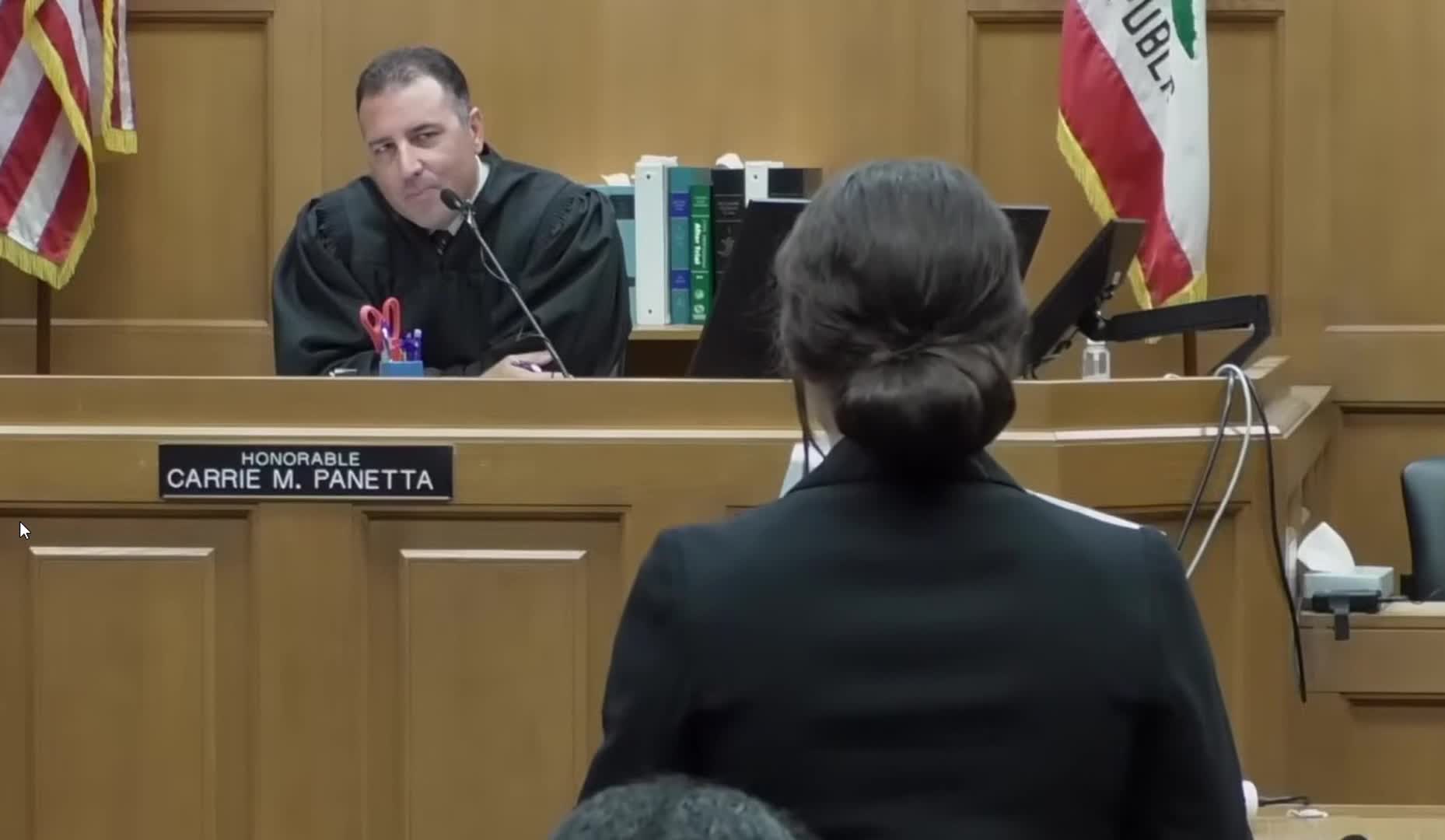
A simulated courtroom competition where students take on the roles of attorneys and witnesses to argue a fictional legal case. Participants must master the Rules of Evidence to deliver opening statements, conduct direct and cross-examinations, and present closing arguments before a panel of real judges and legal professionals.
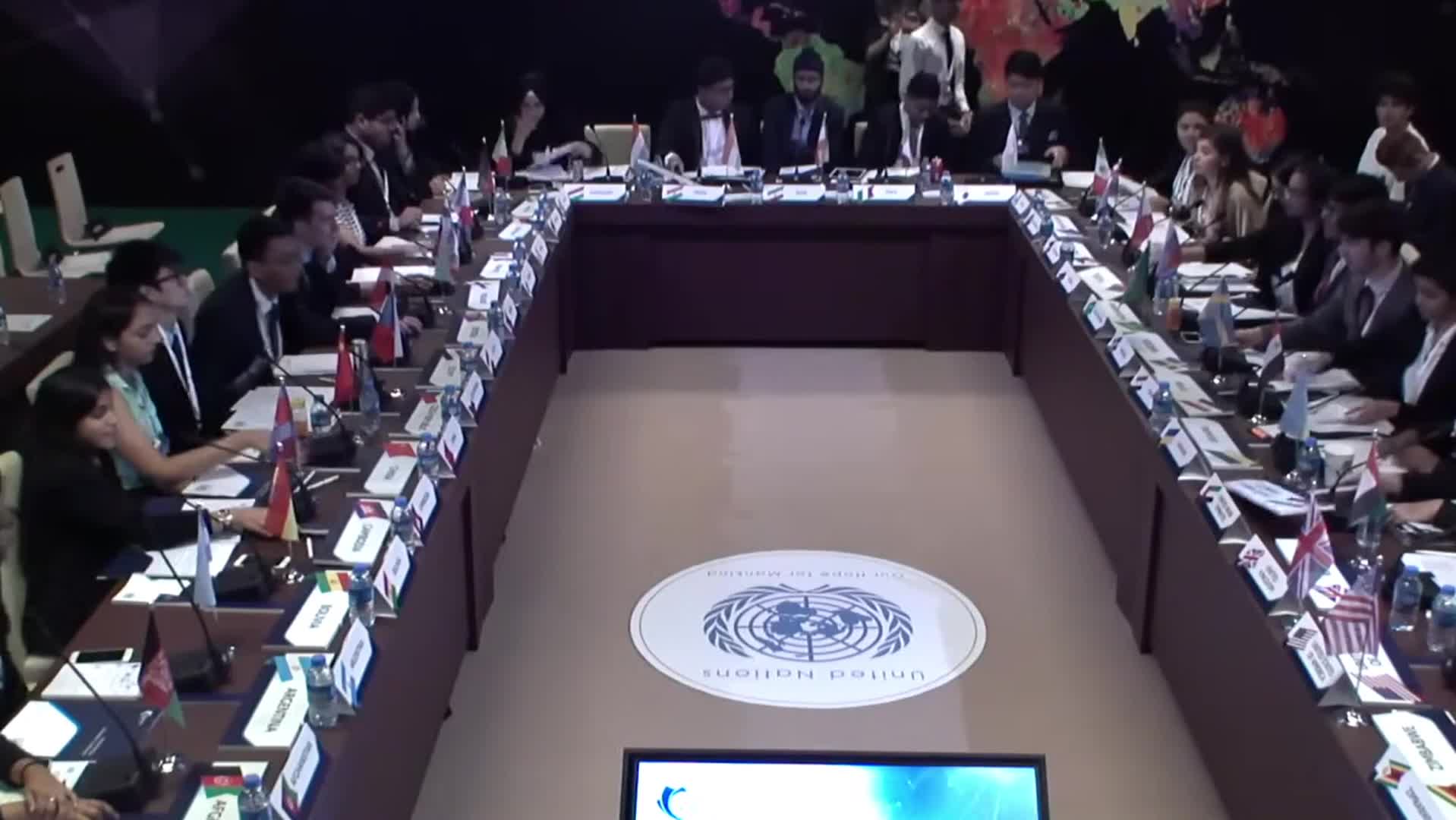
An academic simulation of the United Nations where students step into the shoes of diplomats to solve global issues. Representing specific countries or organizations, "delegates" engage in research, public speaking, and negotiation to draft and vote on resolutions, written proposals that address global topics
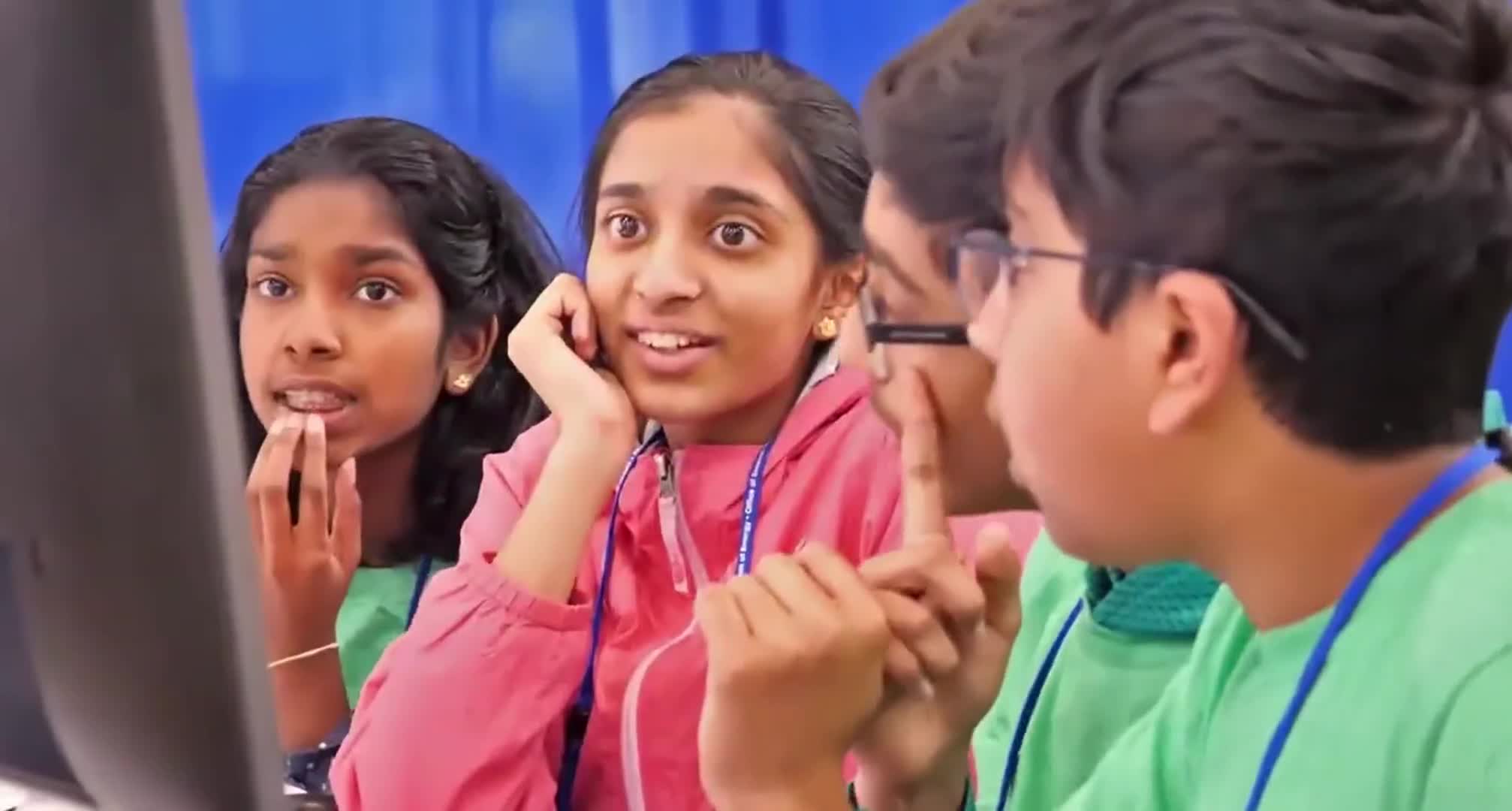
A highly competitive, fast-paced academic tournament where teams of four students face off in a buzzer-based, question-and-answer format. Organized by the U.S. Department of Energy, it tests rapid-fire knowledge across diverse fields including biology, chemistry, Earth and space science, physics, energy, and mathematics.
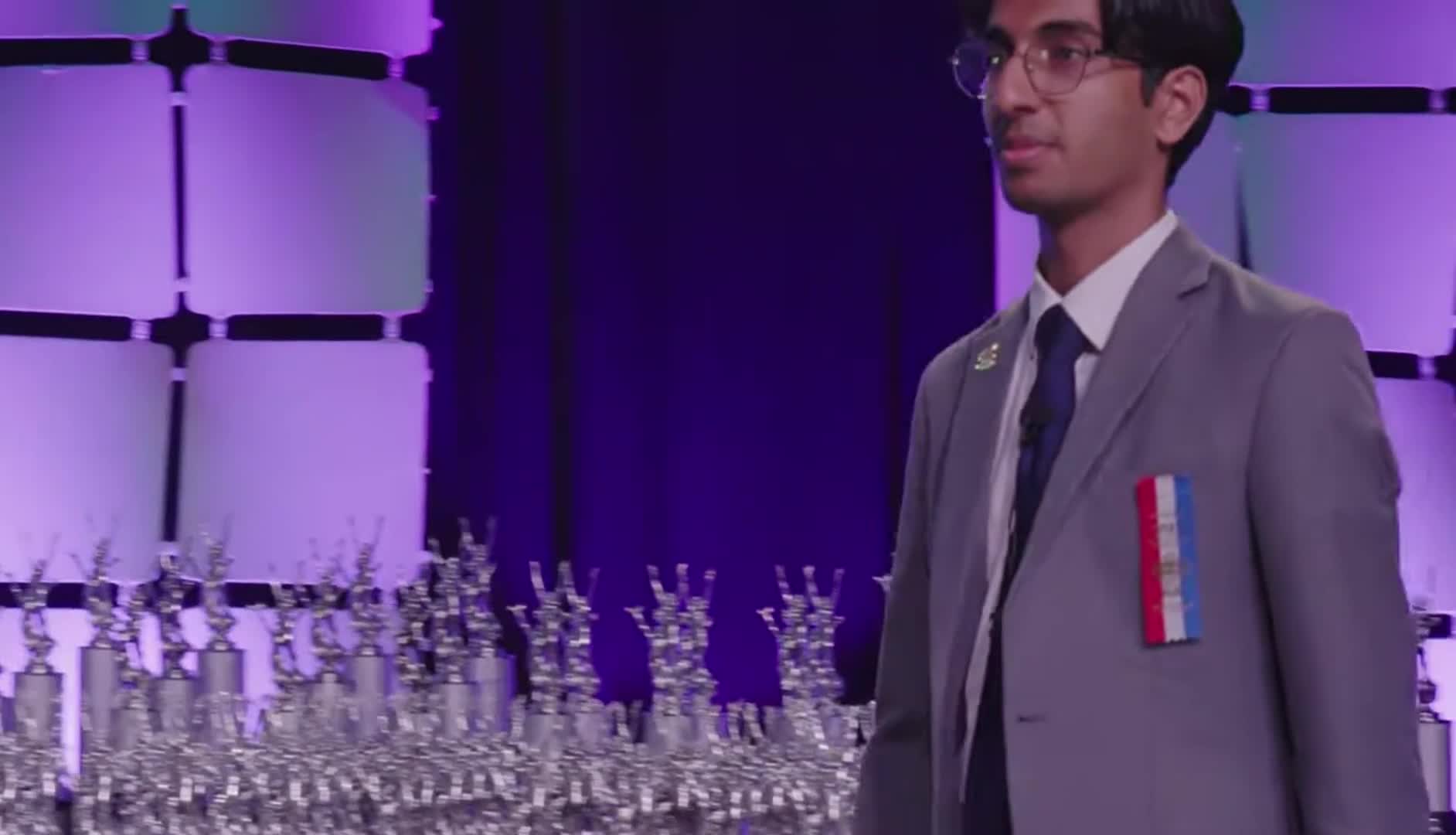
An academic competition that allows students to develop critical thinking and communication skills through structured argumentation or individual performance. Participants compete in a variety of categories, ranging from fast-paced debates on global policy and philosophy to polished theatrical interpretations and persuasive original speeches.
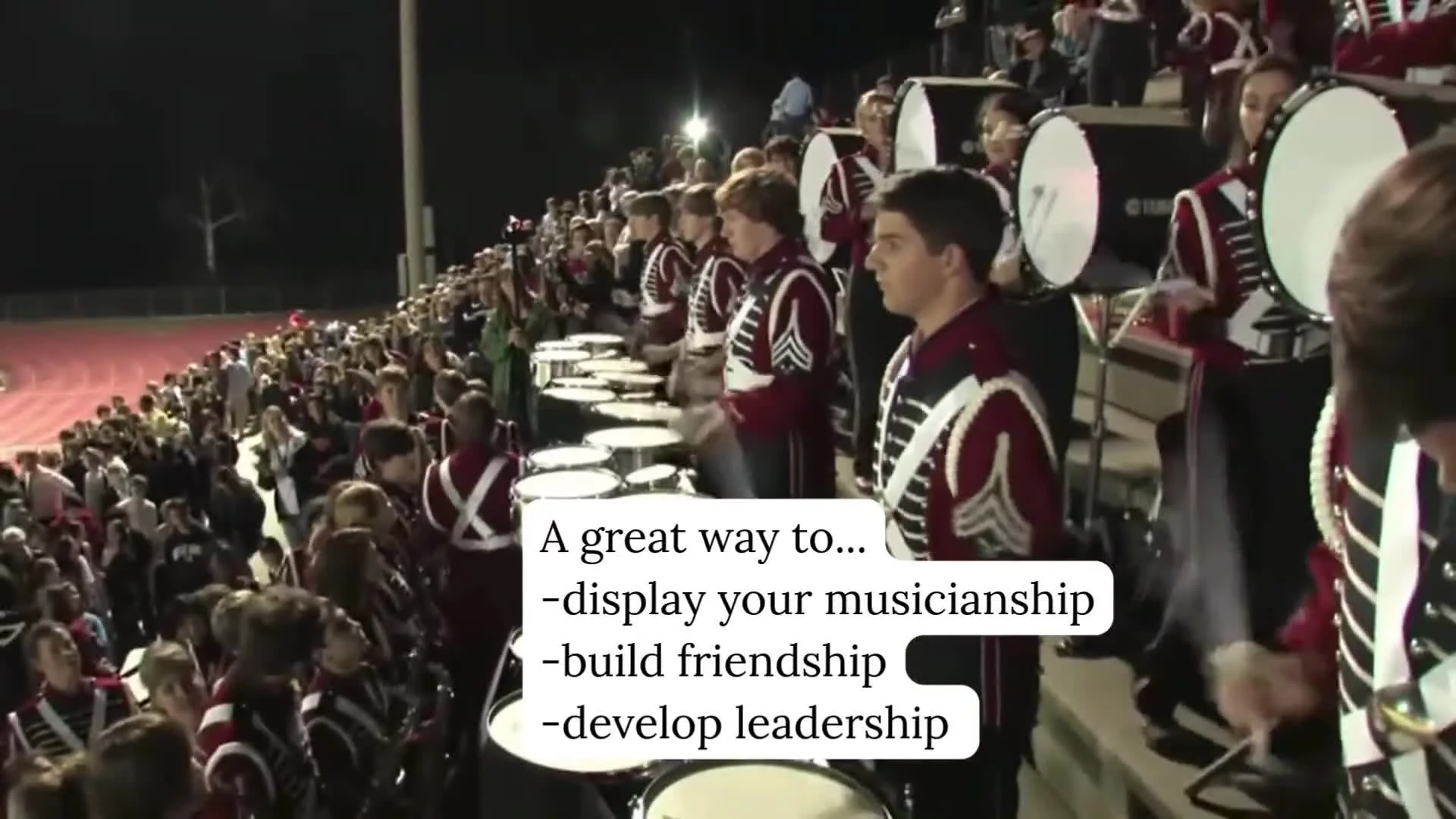
A great way to get involved with music at your school is to join marching band.

The John Locke Institute Global Essay Prize is one of the most prestigious academic writing competitions in the world, inviting students to explore complex questions in the humanities and social sciences.
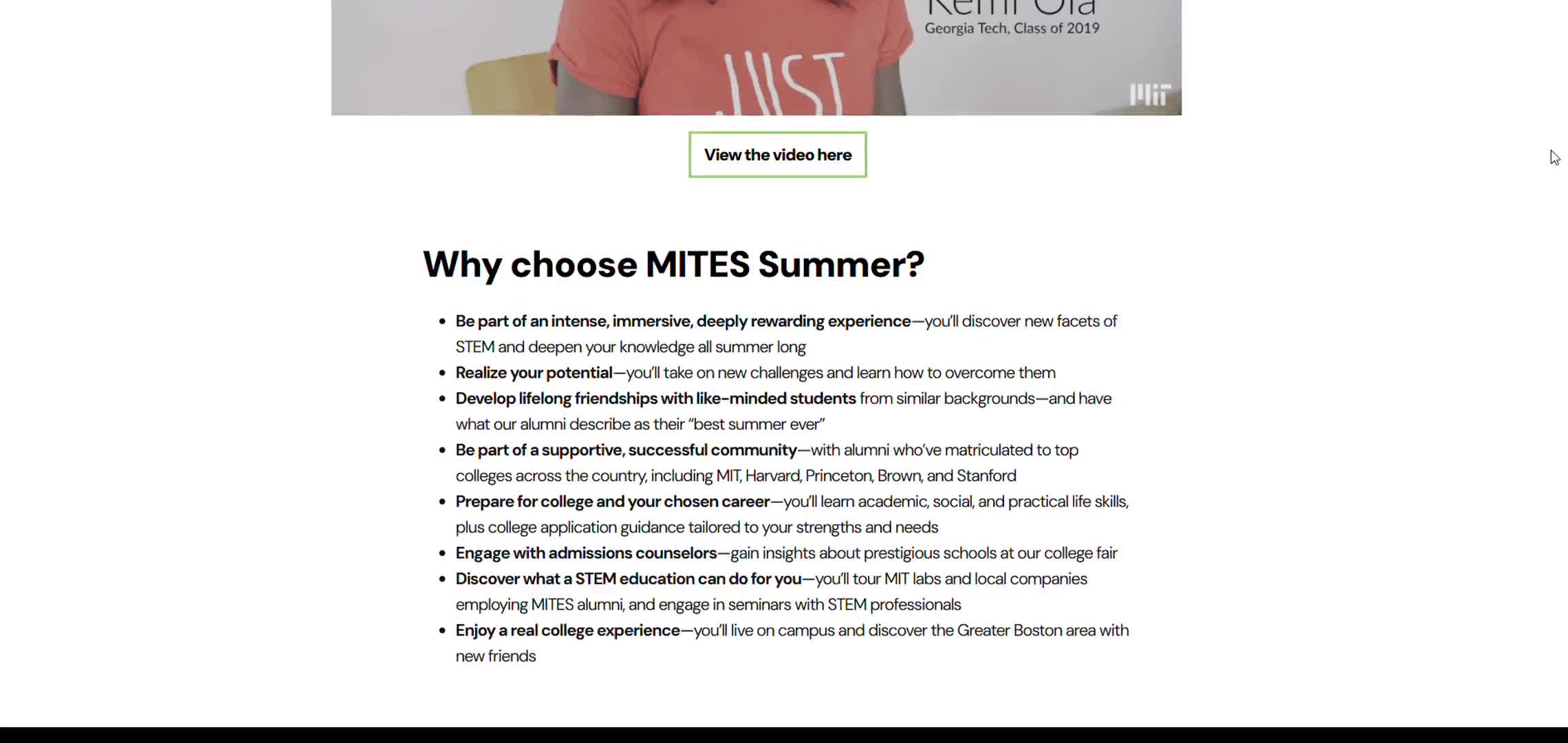
MITES Summer (MIT Introduction to Technology, Engineering, and Science) is a highly selective, six-week residential STEM program at MIT for high-achieving high school students from underrepresented or underserved backgrounds.
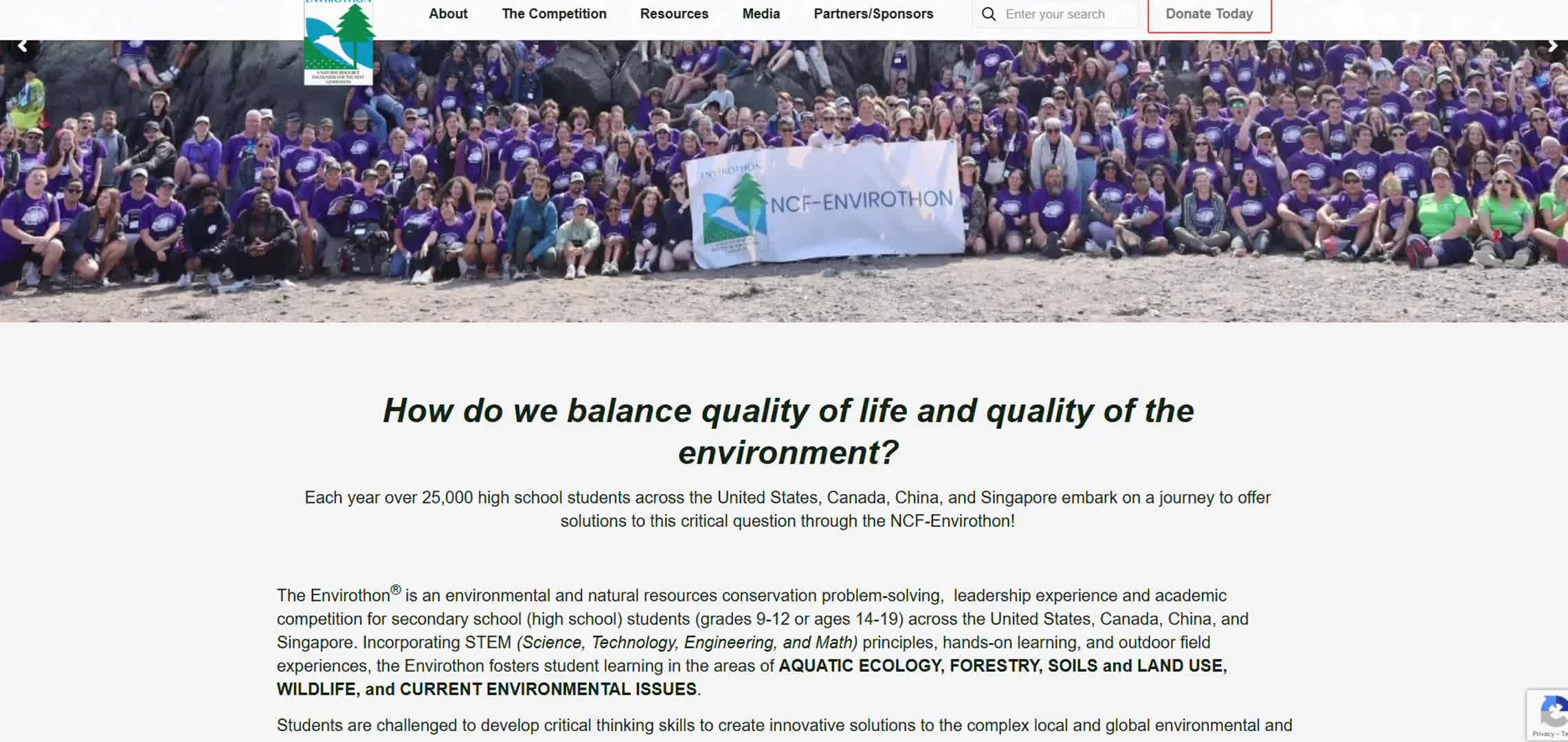
Hands-on Competition in five areas: Aquatic Ecology, Forestry, Soils & Land Use, Wildlife, and a current environmental issue.
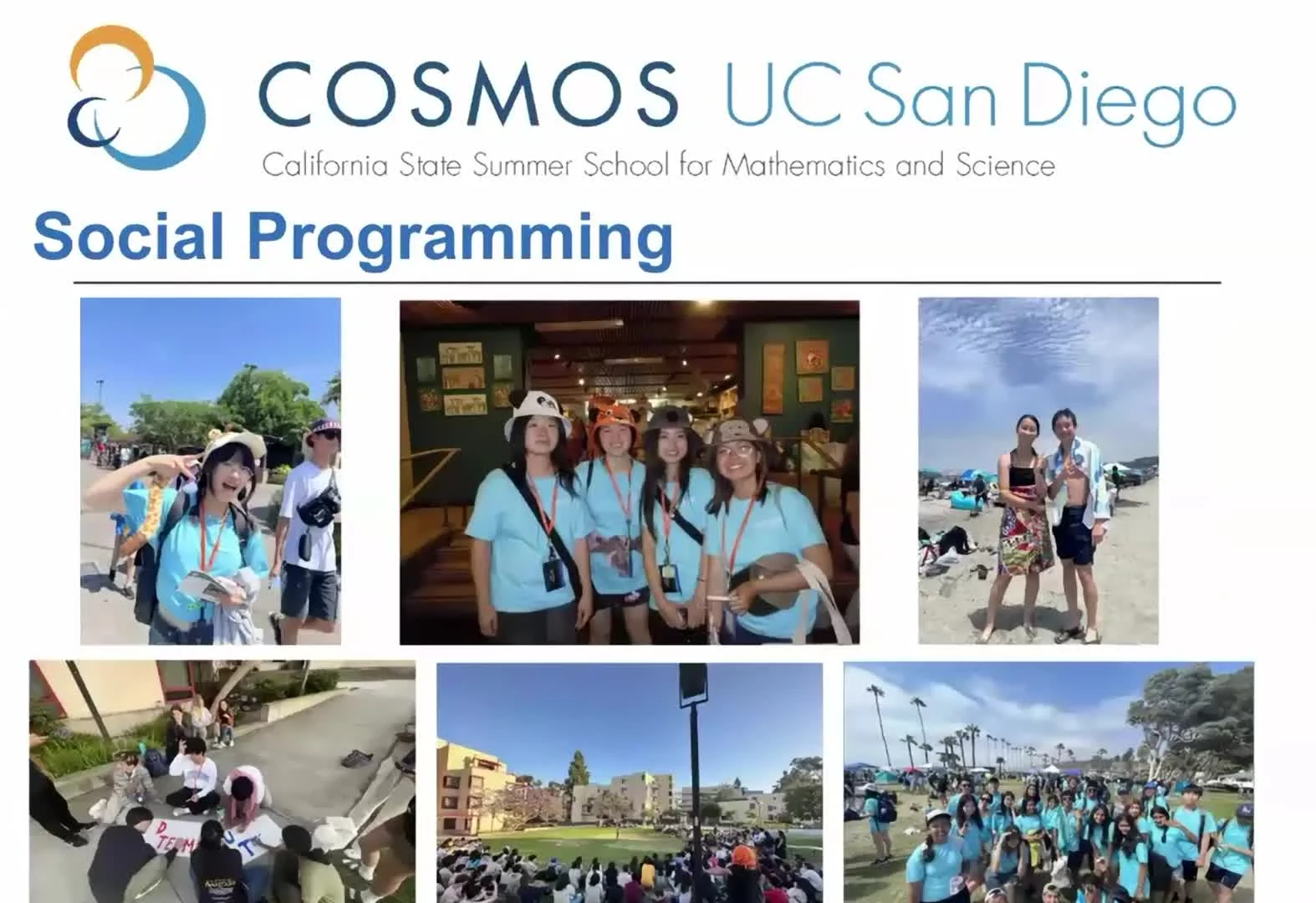
COSMOS (The California State Summer School for Mathematics and Science) is a prestigious four-week residential immersion program for high school students held at several University of California campuses. It is designed for students with a demonstrated interest and aptitude in STEM who wish to explore topics beyond the standard high school curriculum.

Academic Year/Summer Programs for high school students focused on climate change and sustainability research, typically with a virtual or Green Mountains (Vermont) option.

Summer Pre-College Program combining environmental studies, ecology, and leadership training in experiential learning settings (e.g., Alaska, Florida Keys, Rhode Island).

Global Competition rewarding student teams (ages 13-19) who develop creative and actionable solutions to environmental sustainability issues.

The Congressional App Challenge is the most prestigious prize in student computer science. Participation in the challenge has grown exponentially and has reached underserved, diverse, and rural student populations.

Girls Who Code is a nonprofit organization that works to close the gender gap in technology by teaching girls and nonbinary students computer science skills through school-based and community clubs, summer immersion programs, and self-paced online courses.

The Simons Summer Research Program gives academically talented, motivated high school students the opportunity to engage in hands-on research in science, math or engineering at Stony Brook University.
The Anson L. Clark Scholar Program is an intensive seven-week summer research program for twelve highly qualified rising high school seniors and recent high school graduates.

The United States Earth Science Olympiad (USESO) is a national competition designed to identify high-achieving students in the fields of geology, meteorology, oceanography, and terrestrial astronomy. Organized by the U.S. Earth Science Organization, the program emphasizes an "Earth systems" approach, challenging students to understand the complex interactions between the geosphere, atmosphere, and hydrosphere.
A highly competitive national arts competition and development program for high school artists in visual, literary, design, and performing arts.

The nation’s longest-running and most prestigious recognition program for creative students in grades 7–12
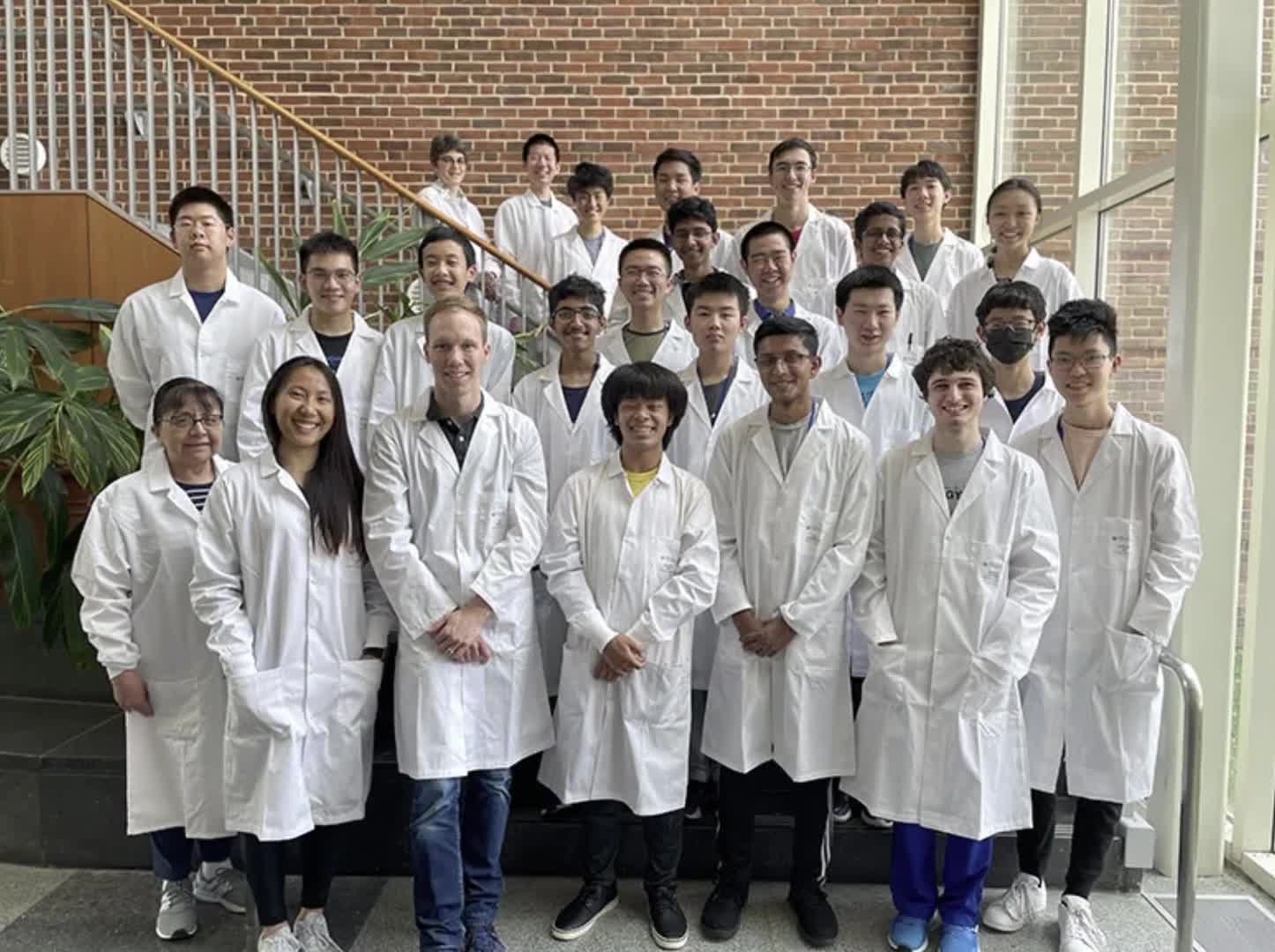
The U.S. National Chemistry Olympiad (USNCO) is a multi-tiered academic competition sponsored by the American Chemical Society to identify and nurture talent in the chemical sciences. High school students progress through local and national exams that test advanced chemical theories and laboratory skills, with the top 20 scorers in the nation attending a two-week intensive study camp to compete for a spot on the four-member Team USA.

The USA Physics Olympiad (USAPhO) is a highly competitive, multi-stage physics competition for high school students, organized by the American Association of Physics Teachers (AAPT). The program serves as the selection process for the U.S. Physics Team, identifying top students to represent the United States at the International Physics Olympiad (IPhO) based on their mastery of conceptual and mathematical physics.

The USA Biology Olympiad (USABO) is the premier biology competition for high school students in the United States, designed to identify and train the next generation of biological leaders. Participants progress through a series of increasingly rigorous exams—the Open, Semifinal, and National Finals—that test advanced concepts in cell biology, genetics, ecology, and animal/plant physiology far beyond the standard high school curriculum.

A massive year-long academic program where more than half a million middle and high school students conduct deep historical research on a chosen annual theme. Students analyze primary and secondary sources to present their findings across five competitive categories: historical papers, exhibits, performances, documentaries, or websites.

An educational initiative organized by the Massachusetts Institute of Technology that promotes STEM research among high schoolers. Instead of submitting completed work, students apply with a novel research proposal; selected winners receive funding, active mentorship from MIT undergraduates, and an all-expenses-paid trip to MIT's campus to kickstart their projects.
The premier high school economics competition in the United States, hosted by the Council for Economic Education. Teams of students test their knowledge against rigorous written and rapid-fire quiz bowl rounds covering microeconomics, macroeconomics, and international global current events across two divisions: the Adam Smith division for advanced students and the David Ricardo division for beginners.

An elite, multi-tiered online algorithmic coding competition designed to identify and train top high school programmers. Participants advance through four competitive divisions—Bronze, Silver, Gold, and Platinum—by solving complex algorithmic problems under tight time constraints using programming languages such as C++, Java, and Python.

Regeneron International Science and Engineering Fair (ISEF): The world’s largest international pre-college science and engineering competition. High school students first qualify through local, regional, and state affiliate fairs by presenting original, graduate-level independent research projects across 21 diverse STEM categories, competing globally for millions of dollars in awards and elite academic recognition.

The gold standard for creative writing summer programs, hosted by the renowned University of Iowa Writers' Workshop. Selected high school students gather for a highly competitive, intensive residential workshop to hone their craft in poetry, fiction, or creative nonfiction under the guidance of published authors and graduate mentors.

Widely regarded as the most prestigious summer research program in the world for high school students. Jointly sponsored by the Center for Excellence in Education and hosted at MIT, 80 elite scholars from around the globe participate in a fully funded, six-week intensive program combining on-campus graduate coursework with hands-on, individual scientific research alongside leading scientists.

The premier quarterly journal dedicated to publishing exemplary, book-length history research papers authored by secondary school students. Widely recognized as one of the highest academic honors a high school humanities student can achieve, acceptance requires exceptional historiographical research, exhaustive citations, and professional-level academic prose.

A highly selective, residential summer research program where high school juniors and seniors experience immersive, project-based science. Operating across multiple campus locations, students work in teams of three to conduct real research—collecting and analyzing original data in experimental fields like Astrophysics, Biochemistry, or Genomics.
The premier international photography competition for young visual artists under the age of 19. Photographers from around the globe submit a portfolio centered around a specific annual theme, competing for global media exposure, high-end digital imaging equipment, and exhibition space in London.
A major global writing competition organized by the staff of Harvard University’s daily student newspaper. Young writers from around the world showcase their skills across journalistic, creative, or argumentative categories, receiving feedback from Harvard undergraduates and competing for exclusive mentorship opportunities and cash prizes.
Harvard International Review (HIR) Academic Writing Contest: A prestigious global essay competition focused on international affairs and global policy. High school students choose from a variety of contemporary global topics, conducting rigorous journalistic and academic research to submit a short-form essay evaluated by the editorial board of the Harvard International Review.
An elite international finance simulation hosted by the Wharton School of the University of Pennsylvania. Student teams work over several weeks to manage a $100,000 virtual asset portfolio, crafting a comprehensive, data-backed investment strategy tailored to the unique financial goals of a designated client case study.
A global student organization preparing emerging leaders in marketing, finance, hospitality, and management. Students can qualify for the International Career Development Conference (ICDC) through regional and state conferences to pitch business presentations, take industry-standard exams, and engage in interactive case-study roleplays before industry professionals.
The premier high school mathematics competition circuit in the United States, administered by the Mathematical Association of America. Students progress through a highly selective series of timed exams—the AMC 10/12 and the American Invitational Mathematics Examination (AIME)—culminating in the USAMO, where the nation’s top qualifiers tackle proof-based problems testing advanced combinatorics, geometry, number theory, and algebra.

An annual, multi-phase global competition that transforms high school students into entrepreneurial problem-solvers. Working in small teams, participants blend science and technology with business principles to design innovative, commercially viable solutions to major global sustainability, health, and aerospace challenges.
The world’s largest virtual entrepreneurship competition for high school students. Inspired by the "Blue Ocean Strategy," participants work individually or in teams to pitch a completely novel, un-contested business concept via a three-minute video submission, competing globally for cash prizes and recognition from industry leaders.

An intensive, international high school robotics program combining engineering, coding, branding, and community outreach. Under strict rules and limited resources, teams of students are challenged to raise funds, design a team brand, hone teamwork skills, and build industrial-size robots to play a difficult field game against like-minded competitors.
A Department of Defense-sponsored STEM competition that challenges high school students to present original scientific and engineering research before a panel of university faculty. Regional finalists advance to present formal oral or poster presentations, vying for tuition scholarships and a place at the National JSHS finals.
COMAP'S High School Mathematical Contest in Modeling (HiMCM) and Middle Mathematical Contest in Modeling (MidMCM) are international contests designed to provide high school and middle school/level students with the opportunity to work as team members to engage and improve their modeling, problem solving, and writing skills. Contest problems are accessible using the mathematics taught at the respective levels of the contests.
The largest math competition for high school girls in the world, hosted annually at the Massachusetts Institute of Technology (MIT) by the Advantage Testing Foundation. Based on exceptional performances on the AMC 10/12 exams, the top 300 young women in North America are invited to complete a challenging, multi-hour test featuring complex proof-oriented math.
An elite literary prize organized by the Lewis Center for the Arts at Princeton University. High school juniors are invited to submit original, unpublished poems to be evaluated by the university's world-renowned creative writing faculty, recognizing exceptional poetic voice and technical literary execution.
The flagship competitive event for Future Business Leaders of America (FBLA). High school students advance through regional and state qualifiers to compete nationally across over 70 business-related events, featuring objective academic tests, collaborative role-playing scenarios, and formal presentations spanning financial literacy, management, and cyber security.
A distinguished national writing contest running for over three decades, hosted by Bennington College. High school students submit high-caliber portfolios in poetry, fiction, or nonfiction prose, evaluated by the college's premier faculty and undergraduate literary boards to win substantial cash prizes and publication.
An international high school project competition focused on environmental issues. Founded and organized by Terra Science and Education, it hosts hundreds of students from over 70 countries who showcase individual scientific research, engineering innovations, or creative art projects dedicated to solving global environmental crises.
A prestigious annual writing competition hosted by The New York Times Learning Network. High school students choose a contemporary social, political, or economic topic and craft a short, persuasive essay modeled after professional NYT editorials, requiring evidence-based arguments, compelling hooks, and rhetorical mastery.
An elite global entrepreneurship competition created by Horn Entrepreneurship at the University of Delaware. High school students identify a pressing real-world issue and build an original startup concept across two tracks—Business Innovation or Social Innovation—submitting a pitch deck and a written proposal to compete for funding and global mentorship.